For Educators, Community Leaders, Caregivers, and Therapeutic Support Providers
Learn to cultivate inclusive learning environments.
More than a set of strategies, this program is a foundational shift in how we see children – and ourselves.
The Heart-Centered Connections (HCC) Practitioners Certificate (Level 1) empowers adults in building capacity to cultivate trauma-informed neuroinclusive learning environments. These environments, grounded in adult social-emotional wellness, create positive benefits for emotional resilience and academic success among neurodiverse youth. At the heart of the program is the understanding that meaningful connection precedes effective learning. By exploring the intricate links between the often fragmented fields of applied educational neuroscience, neurodiversity, trauma-informed teaching, and social-emotional learning, participants gain practical tools to connect with youth on a brain and nervous system level. Through this integrated holistic lens, participants learn to foster environments that ensure all learners—especially those impacted by neurodiversity, mental health challenges, trauma, or foster care—can thrive.
Cultivate Heart-Centered Connections
Child-serving professionals who have completed the HCC training and learned to cultivate heart-centered connections report less burnout, a greater ability to connect with others in the face of stressors, and increased effectiveness in their roles in education, social work, and healthcare.
I now understand that my nervous system responses are not bad. It is important to tell yourself when something is a trigger, not a true threat. Since completing this training, I have tools to help myself examine my triggers as a child-serving professional.
HCC Program Participant,
Riverside County Office of Education
The HCC program is a 37.5-hour certificate training*.
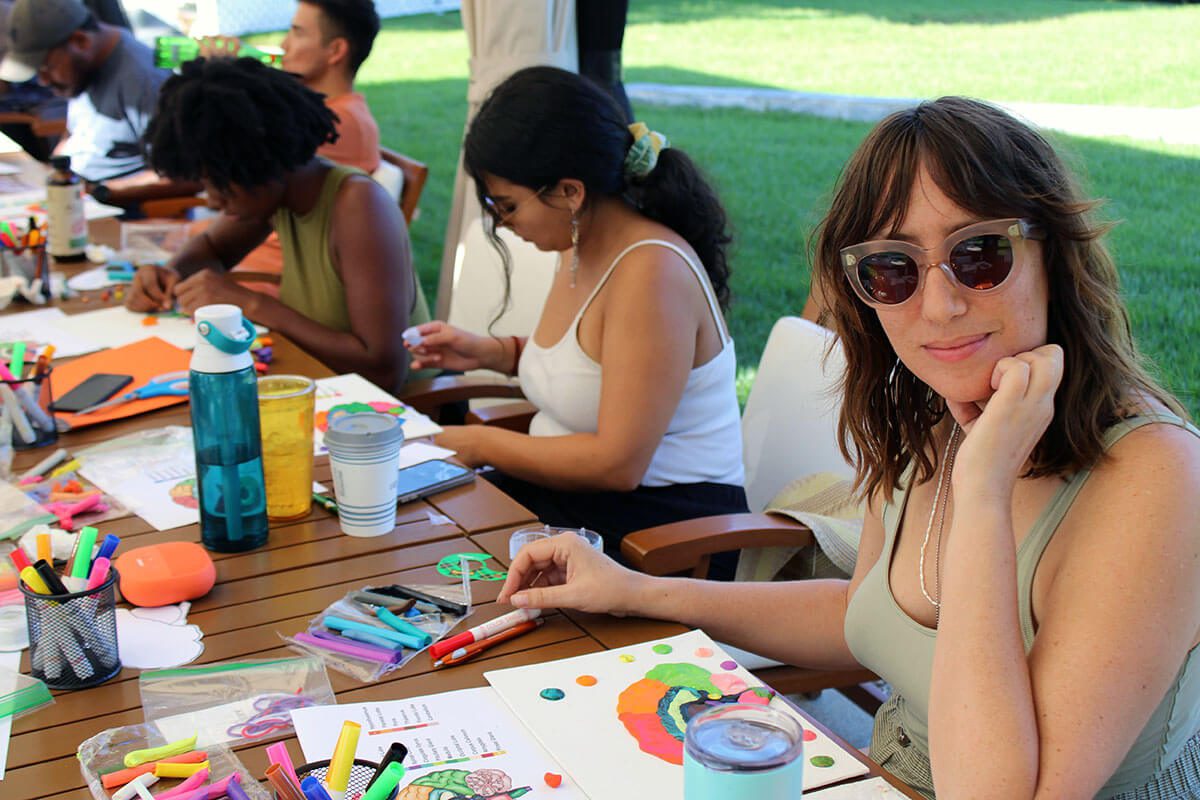
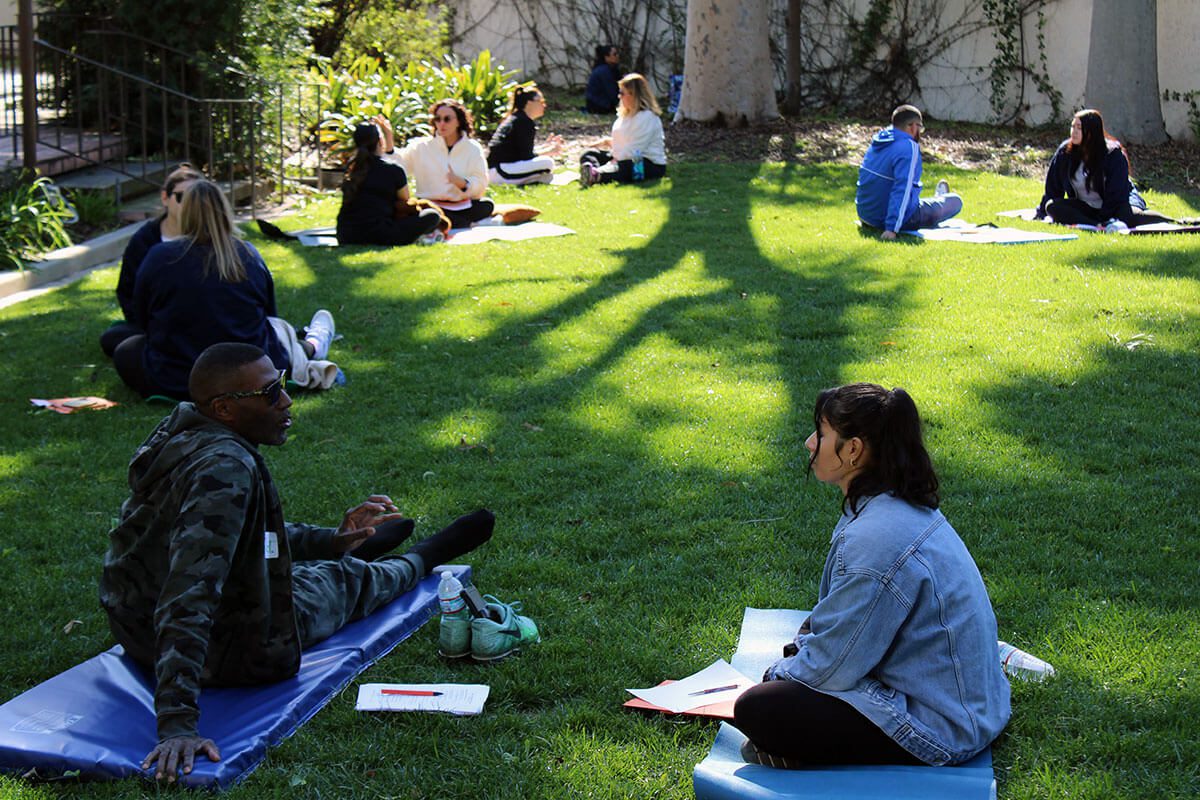
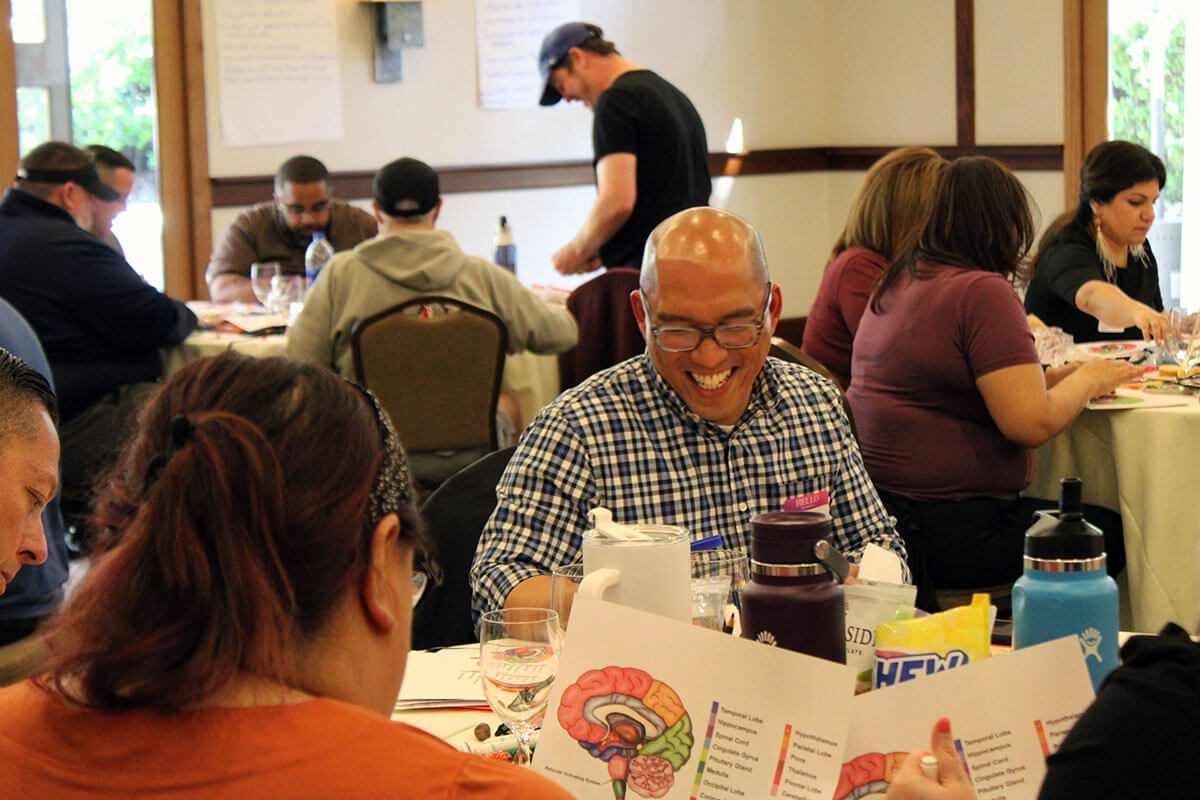
The program begins with a two-day immersion retreat introducing core foundational knowledge and mind-body practices. The immersion retreat is in-person connection that sets the stage for the remainder of the training.
Topics include:
Setting group agreements to establish a culture of safety and trust
Learning the foundations of interpersonal neurobiology
Building a model nervous system
Exploring polyvagal theory and the science of felt-safety
Understanding the impact of Adverse Childhood Experiences (ACEs)
Practicing trauma-informed mindfulness, breathwork and other mind-body practices to increase personal well-being and professional capacity
The immersion retreat is followed by eight live virtual learning sessions.
*The certificate program is delivered in partnership with the University of San Diego, Center for Embodied Equity and Neurodiversity.
This training supported me in learning the scientific background to concepts I’ve been intuitively engaged in. It is a game-changer to have scientific knowledge alongside tactile strategies that support my personal wellbeing. I can now step in as a more effective co-regulator for others.
HCC Program Participant
Our Heart-Centered Connections™ curriculum delivers transformational experiences in 7 Pillars:
Pillar #1: Self-Awareness:
In this pillar, you will:
review the foundational elements of the autonomic nervous system
review the science of the nervous system’s survival responses
explore the importance of nervous system state for adults serving neurodiverse children
prepare to launch a 21-Day Vagus Nerve Challenge to build adult nervous system capacity
Pillar #2: Interpersonal Awareness:
In this pillar, you will:
learn how to help children access the ventral vagal state, a nervous system state that is key for social engagement
gain knowledge of how different nervous system states produce different behavioral responses and consider how and when these behaviors appear in children
explore the impact of implicit bias on the nervous system and behavior responses
Pillar #3: Neuroinclusive Spaces:
In this pillar, you will:
learn how elements of environmental design and sensory stimulation in the classroom impact the nervous system
explore how to meet the sensory needs of neurodiverse learners from a trauma-informed perspective
discuss how connections to familiar places, colors, sounds, nature, etc., impact learning and behavior
reflect on their own environmental design and consider modifications based on the information presented in this pillar
Pillar #4: Activated Genius:
In this pillar, you will:
recognize an expanded idea of genius and ways to cultivate it in all children
discuss the emerging connection between neurodiversity and creativity
understand current research about theta/beta brainwaves and how it impacts neurodiverse learners
create a plan to include more opportunities for open mode thinking in lesson plans
Pillar #5: Engaged Learning:
In this pillar, you will:
explore how learning differences, trauma, and cultural connections impact how the brain learns
understand the power of mnemonic instruction, and learn the different types
discover why direct instruction in executive functions is critical for effective inclusive education
connect psychological safety through rituals and routines to enhanced student learning for neurodiverse learners
Pillar #6: Mindful Communication:
In this pillar, you will:
learn the 3 principles of heart-centered communication
explore the power of storytelling and narrative empathy to enhance social connections with youth
elevate student’s hope, choice, and agency through compassionate right action
identify a child and create a plan to improve communication and connection
Pillar #7: Heart-Centered Repair:
In this pillar, you will:
establish an operating definition of felt-safety and embodied equity in the learning environment
create a survey that invites children and families to evaluate their felt sense of safety and connectedness in the learning environment
learn how to engage in cycles of continuous feedback and improvement to build trust with children and families by demonstrating vulnerability to learn and grow alongside them
review the science on the impact of formal apology and repair on adults’ ability to sustain heart-centered connections with youth.
As a classroom teacher for more than 20 years, I never connected my nervous system state to my students’ behavior. I used to consistently send students out of my classroom for poor behavior, without recognizing my own behavior. Now that I support my nervous system and come to class each day in a ventral vagal state, I very rarely send children out of the classroom. My students’ behaviors have improved drastically simply by me changing how I show up for them. I also understand how to prepare their nervous systems for learning.
HCC Program Participant,
Berryessa Union School District
Organizations & Schools that have trusted HCC & MLP
Your nervous system is the gateway to educational reform through the cultivation of safe learning communities.
Community is medicine.
This training exceeded my expectations. The whole experience was wonderful from beginning to end. I learned the scientific link between my mind, body, and behavior. It felt like a gift from my school district.
HCC Program Participant,
San Bernardino City Unified School District
I loved the training. I felt this was the first training that fully invested in me and my well-being versus training where the sole focus is to bring learned information to my students.
HCC Program Participant,
Pasadena Unified School District
The combination of hands-on learning, videos, and lectures cater to all of the learning styles.
HCC Program Participant,
Riverside County Office of Education
The breathing along with the movements have transformed my life. I now include many of these techniques in my daily life to combat burnout.